Drill pipe is an important tool in oil drilling, used to transmit rotational and impact forces to the drill bit for drilling operations. However, in practical operations, the fracture of drill rods is a common problem that may lead to production interruptions and safety issues. The main reasons for the fracture of drill rod body are as follows:
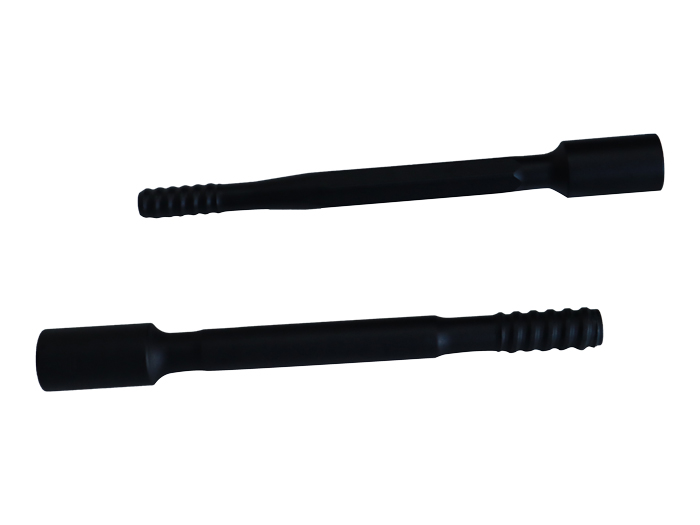
Drill pipe material issue: Drill pipes are made of steel, and if the material quality is poor or there are defects, it may cause cracks and fractures in the drill pipe when subjected to working loads. In addition, the fatigue life of drill pipes is also related to the material. If they are subjected to compression and bending for a long time, it may accelerate fatigue damage and lead to fracture.
Improper use: Operators may engage in improper operations during drilling operations, such as using workloads that exceed their carrying capacity, unreasonable rotation speeds, or impact forces, which can cause excessive stress on the drill pipe and lead to fracture.
Drilling process issues: During the drilling process, encountering geological anomalies, rock debris jamming, and other problems requires the application of strong force to overcome, which can easily cause overloading and fracture of the drill pipe. In addition, if the drilling conditions at the bottom of the well are poor, such as gravel, hard formations, etc., it will also increase the risk of drill pipe fracture.
Drilling fluid issue: The properties of drilling fluid also have an impact on the fracture of drill pipes. For example, if the density and viscosity of the drilling fluid are too high, it will increase the friction between the drill bit and the wellbore, causing excessive rotational force to be transmitted to the drill rod and leading to fracture.
The fracture of drill pipes not only leads to production interruption and losses, but also may cause environmental pollution and safety accidents. Therefore, in drilling operations, it is necessary to strengthen the detection and selection of drill pipe materials, strictly control operating parameters, improve the technical level of operators, and manage drilling fluid well to reduce the risk of drill pipe fracture and ensure the smooth progress of drilling operations.


