Fasteners are a type of mechanical connecting component widely used in various mechanical equipment and engineering structures for connecting, fixing, and supporting parts. There are various types of fasteners, including bolts, nuts, screws, studs, washers, spring washers, etc. These fasteners play a crucial role in the assembly and maintenance process of mechanical equipment. Below, we will introduce some common types of fasteners.
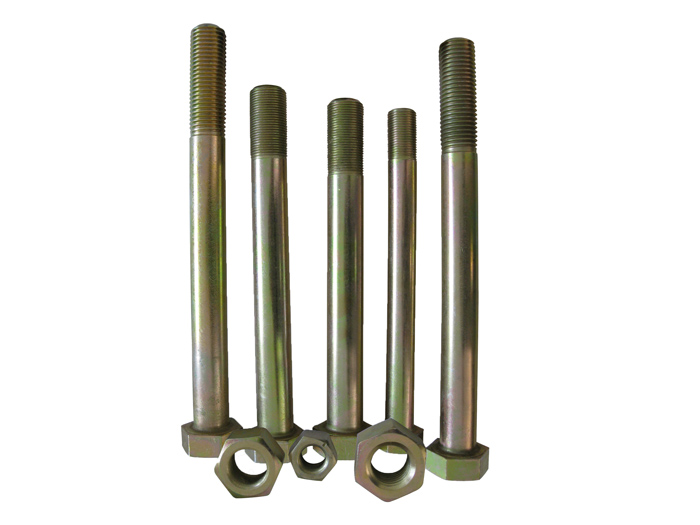
Bolt: A bolt is a threaded component used to connect parts, typically consisting of screws, nuts, and washers. There are many types of bolts, including ordinary bolts, high-strength bolts, stainless steel bolts, etc.
Nut: A nut is a component used to fit bolts and secure bolts and connecting parts. The types of nuts include regular nuts, high pull nuts, nuts, etc.
Screw: A screw is a type of bolt with only threads, used to connect thin-walled structures such as thin plates and plastics. The types of screws include self tapping screws, mechanical screws, drill point screws, etc.
Stud: A stud is a type of fastener with external threads, typically used to connect structures such as machine tools and equipment. The types of bolts include ordinary bolts, tapered bolts, double headed bolts, etc.
Gasket: A gasket is a circular component used to increase the connection area of fasteners and distribute connection pressure. The types of washers include flat washers, spring washers, protruding washers, etc.
Spring washer: A spring washer is an elastic element that can deform within a certain range, used to compensate for the deformation caused by loose fasteners and temperature changes. The types of spring washers include single coil spring washers, double coil spring washers, etc.
Conical pin: Conical pin is a fastener used to connect components, typically used to connect shafts and holes. The types of taper pins include cylindrical pins, taper cap pins, flat head pins, etc.
Lock nut: A lock nut is a type of nut with anti loosening function, which can improve the anti loosening performance of the bolt through the built-in spring plate or plastic ring.
In general, there are many types of fasteners, and different types of fasteners play different roles in mechanical equipment. When selecting and using fasteners, factors such as material, specifications, strength, and surface treatment need to be considered to ensure a firm and reliable connection. Improper selection of fasteners can lead to serious consequences such as mechanical equipment failure and safety accidents. Therefore, it is essential to carefully choose suitable fasteners during mechanical assembly and maintenance.


